
Commercial EICR in Stoke-on-Trent
A commercial EICR gives you a recorded assessment of the condition of the fixed electrical installation in your premises. Commercial Electricians Stoke provides commercial electrical testing for factories, warehouses, offices and other business properties across Stoke-on-Trent.
Whether you are reviewing an existing report, taking responsibility for new premises or planning your next inspection, tell us about the building and its electrical installation. We can discuss the inspection scope, available records and the practical arrangements for your site.
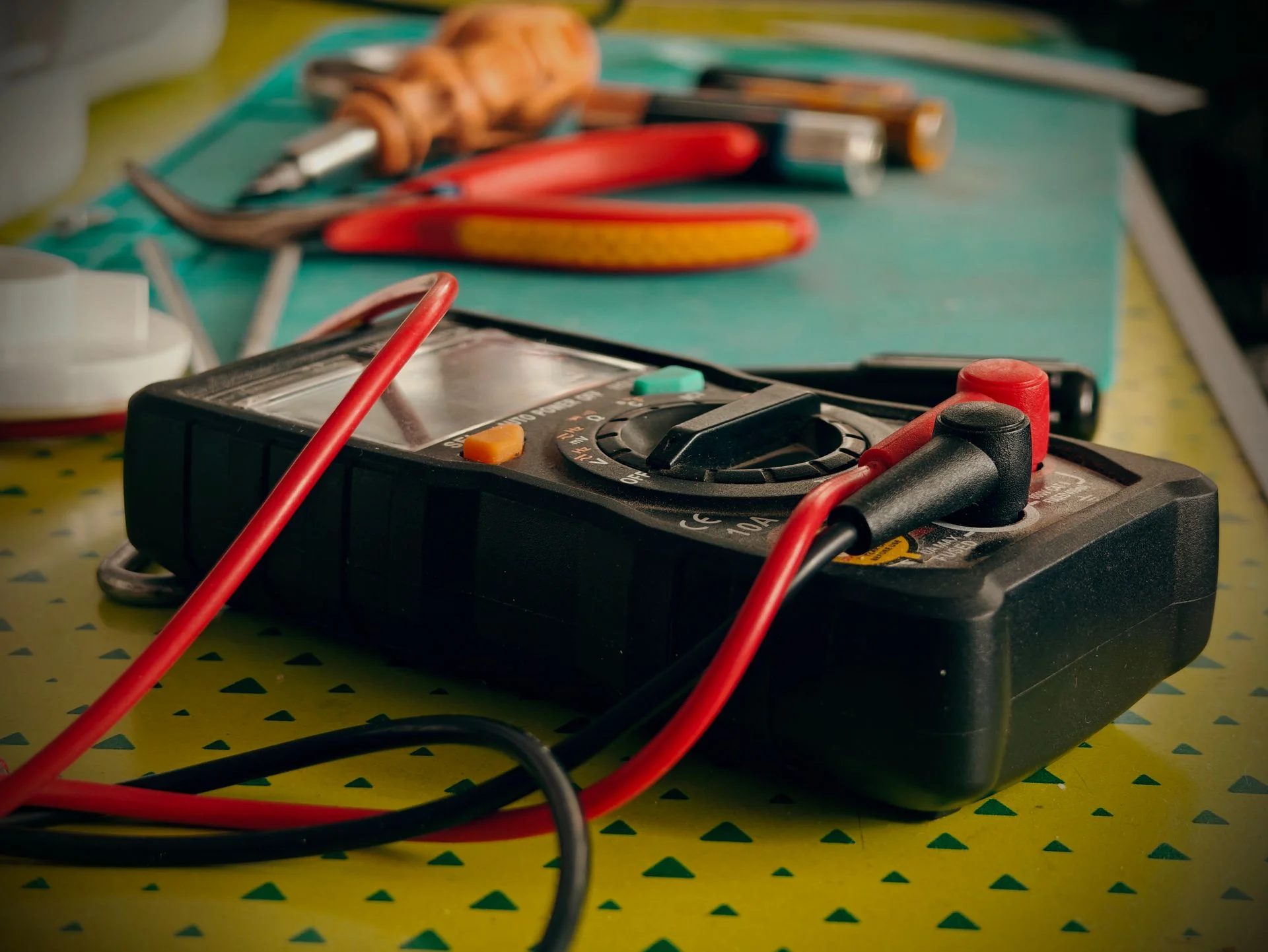
What does a commercial EICR cover?
A commercial Electrical Installation Condition Report assesses the condition of the fixed electrical installation within an agreed scope. This can include distribution boards, protective devices, fixed wiring, earthing and bonding, and the circuits supplying lighting, sockets and permanently connected equipment. Inspection and electrical testing provide different types of information; the findings are recorded together in the report.
The scope matters. A single office, a multi-unit warehouse and a factory with several distribution boards involve different access arrangements and circuit information. We discuss the installation, available records and any restrictions before the work is arranged. Portable appliance testing and a machine’s internal control system are separate from an EICR of the building installation; they should not be assumed to be included.
How inspection and testing is arranged
First, we establish which premises and installations are involved. Existing EICRs, circuit schedules and information about alterations help explain the starting point. Access to distribution boards and the areas served by the circuits is important, particularly where parts of a building are occupied by different teams or tenants.
Some tests require electrical circuits to be switched off. For a working factory or office, this needs planning around production, IT equipment and other systems affected by an interruption. Tell us which operations are critical so access and isolation arrangements can be discussed before the visit. A planned inspection is an opportunity to agree these practical details rather than discover them on the day.
Your report and any follow-up work
The EICR records the inspection and test results, the extent of the installation examined, limitations and observations. Its overall assessment relates to the installation at the time of inspection. Where observations are recorded, the report explains their classification and the action indicated. A report should be read in full, rather than reduced to a pass or fail label.
If electrical repairs or further investigation are identified, the findings provide a starting point for a separate discussion about the work. Our industrial electrical maintenance service covers fault finding and commercial electrical repairs. Share the complete report when asking about remedial work, including any schedules, photographs or previous work records.
What affects the cost of commercial testing?
The number of circuits, installation size, condition of the records, access requirements and agreed extent of testing all influence the work involved. A quotation based only on floor area may miss important differences between two premises. A small production unit can have a more involved electrical installation than a larger, simpler storage building.
Provide the premises address, building use, approximate size, distribution board information and any previous report when requesting a quotation. Mention restricted access or planned shutdown windows. We cover business premises across Stoke-on-Trent, including Etruria Valley, Indurent Park Stoke Central, Fenton Industrial Estate, Trentham Lakes and Park Hall Business Village.
When should a business arrange another EICR?
There is no single interval suitable for every commercial installation. The previous report’s recommendation, installation condition, use of the premises, maintenance history and any relevant insurer or lease requirements all need consideration. Changes of occupancy, alterations or concerns about an installation can also prompt a review.
If you have an existing report, start with its recommended next inspection date and any outstanding observations. For new premises or an installation without records, describe the building and the information available. We can discuss the inspection requirements without assuming that every business has the same installation or timetable.
LET’S DISCUSS YOUR PREMISES
Discuss your commercial EICR
Tell us the premises address, building use, approximate size and whether you have a previous report. Include any access restrictions and your preferred timescale.